Yesterday, an operations leader I worked with previously called me about his new Automated Storage and Retrieval System project.
He wanted to know if a single-platform approach was best for his business. My answer was yes, no, and maybe.
While that sounds noncommittal at first glance, it is actually the most precise answer possible when you operate in the American Heartland. Welcome to the Midwest Paradox.
The Deepening Midwest Paradox: Why Heartland Economics Keep Automation ROI in Limbo
Logistics networks choose the Midwest for its clear geographical advantages. Proximity to major manufacturing hubs, central interstates, and unparalleled rail infrastructure make regions like the Ohio Valley and the Chicago-Indiana logistics corridor the heart of American distribution.
Yet, beneath this geographic setup lies a frustrating financial reality for automation vendors and supply chain executives. I call it the Midwest Paradox.
The standard industry narrative states that high regional labor churn makes manual warehousing an unsustainable operational expense. The prescribed cure is always the same. You shift that volatile labor cost into predictable capital expenditure by installing fixed goods-to-person picking cubes.
Out on the warehouse floor, the ground-level economics of the American Heartland tell a completely different story.
The Dual Pillars of Cheap Overhead: Real Estate and Labor
The standard financial pitch for dense automation falls apart when it collides with two realities unique to the Midwest. Those factors are cheap real estate and readily available, lower-cost labor.
Automation options like ASRS goods-to-person picking cubes justify their massive initial capital expenses by solving two critical issues. They fix extreme square-footage costs and severe labor shortages. In high-cost coastal markets, these systems pay for themselves quickly.
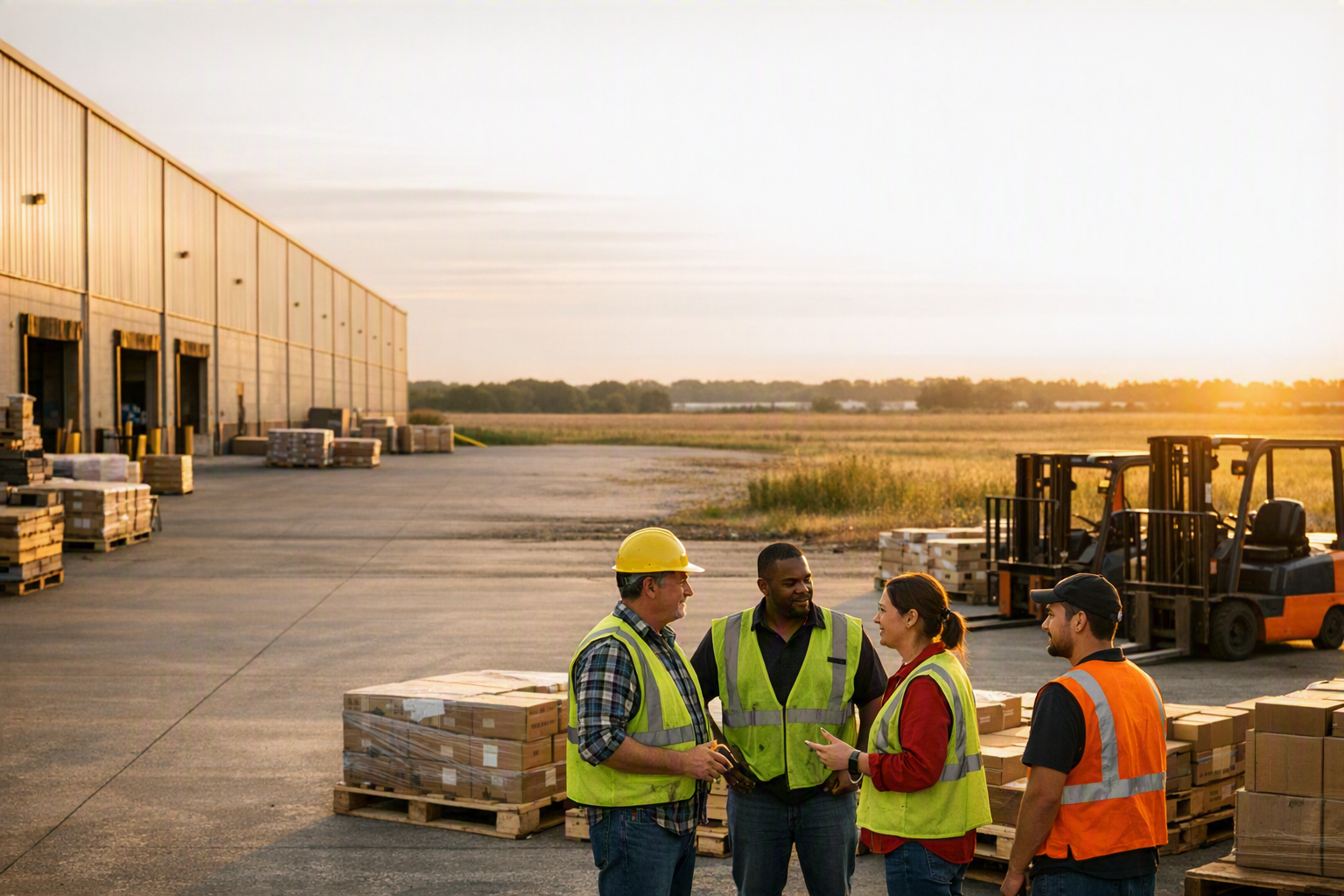
“Operating in the Crossroads of America, we are sitting right next to massive clusters of Amazon fulfillment centers that constantly churn the local labor market. But as an operator, you realize quickly that you cannot just throw robots at a labor problem. Because our square-foot real estate costs are relatively low out here, trying to justify the ROI on a massive picking cube for standard automotive parts is incredibly difficult. The payback period just takes too long.”
- COO Greenfield Indiana